Tesla Optimus Gen 3 and AI5 Chip Usher in Robotics Era: Musk Aims for "One Robot Per Person"
Tesla's humanoid robot Optimus Gen 3 is set to be unveiled in Q1 2026. Powered by the new AI5 chip, the robot moves three times faster than previous generations and performs tasks with double the precision. Elon Musk aims to create humanity's most transformative product with a production target of 1 million robots annually.
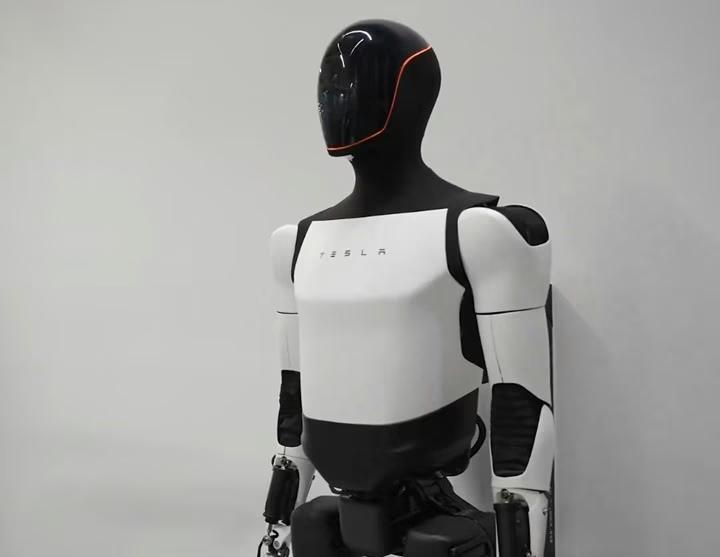
Tesla CEO Elon Musk announced that the design of the third-generation humanoid robot, Optimus Gen 3, is nearing completion, with an official unveiling planned for early 2026. The new generation robot will be equipped with Tesla's custom-developed AI5 chip, which will provide five times greater memory bandwidth compared to previous generations. Musk revealed that the AI5 chip design is nearly complete and outlined a roadmap extending to AI6, AI7, and even AI9. The company is targeting a design cycle of just 9 months for each new chip generation, which is less than half the traditional semiconductor industry's 18-24 month timeline.
One of the most remarkable features of Optimus Gen 3 is its human-level precision hands with 22 degrees of freedom. This capability allows the robot to hold a fragile egg without breaking it or safely carry heavy boxes. Tesla engineers have completely redesigned the robot's learning capabilities. Optimus can now learn tasks simply by observing humans and is trained using end-to-end neural networks similar to those used in Tesla's autonomous driving systems. The robot learns movements by watching videos from first-person and third-person perspectives, practices in simulations, and then applies them in the real world. This learning method eliminates the awkward "pause and think" moments when Optimus encounters unfamiliar situations.
Investor Jason Calacanis, who visited Tesla's Optimus lab, made a bold prediction after witnessing the robot in action. "Nobody will remember that Tesla ever made a car, they will only remember Optimus," Calacanis stated, claiming that robots will be produced in a one-to-one ratio with humans—approximately 8 billion units—and that Tesla has already won this race. Elon Musk supports this vision with his statements. The entrepreneur emphasizes that robots must be produced by the millions, otherwise an industry cannot be established. Toward this goal, Tesla is reconfiguring its gigafactories for Optimus assembly, with reports indicating the first large-scale production line is being installed at the Texas facility.
Regarding pricing, Musk estimates the robot will cost between $20,000-$30,000 per unit, while critics suggest this figure could rise to $50,000-$60,000. Some experts argue the actual cost could reach as high as $300,000. However, Musk hopes to eventually reduce the price to $10,000 per unit once mass production is achieved. Tesla's biggest advantages include its gigafactories capable of producing approximately 2 million cars annually, vertical integration, global infrastructure, and data experience collected from millions of Tesla vehicles. The company develops batteries, FSD computers, and circuit boards in-house, reducing dependence on third-party suppliers and providing flexibility for rapid design changes. Optimus is designed to work not only in factories but also in homes, capable of performing hundreds of daily tasks including cooking, cleaning, and even driving cars. Tesla's vision is to usher in an era of sustainable abundance by making life more comfortable through robots.